Why Brushing Your Dog's Teeth Matters More Than You Think
When people bring a new puppy home, they often focus on training, socialisation, feeding and exercise. However, one area that's frequently overlooked is dental care.
Dental disease is one of the most common health issues seen in dogs, yet many owners don't realise how serious it can become until problems have already developed.
What Is Dental Disease?
Dental disease starts with plaque building up on the teeth. Over time, this hardens into tartar, which can irritate the gums and lead to infection.
As dental disease progresses, it can cause:
Bad breath
Red, swollen or bleeding gums
Pain when eating
Difficulty chewing
Loose or damaged teeth
Tooth loss
Dogs are often very good at hiding discomfort, so signs can easily be missed until the disease is more advanced.
Why Dental Care Is So Important
1. It Helps Prevent Pain
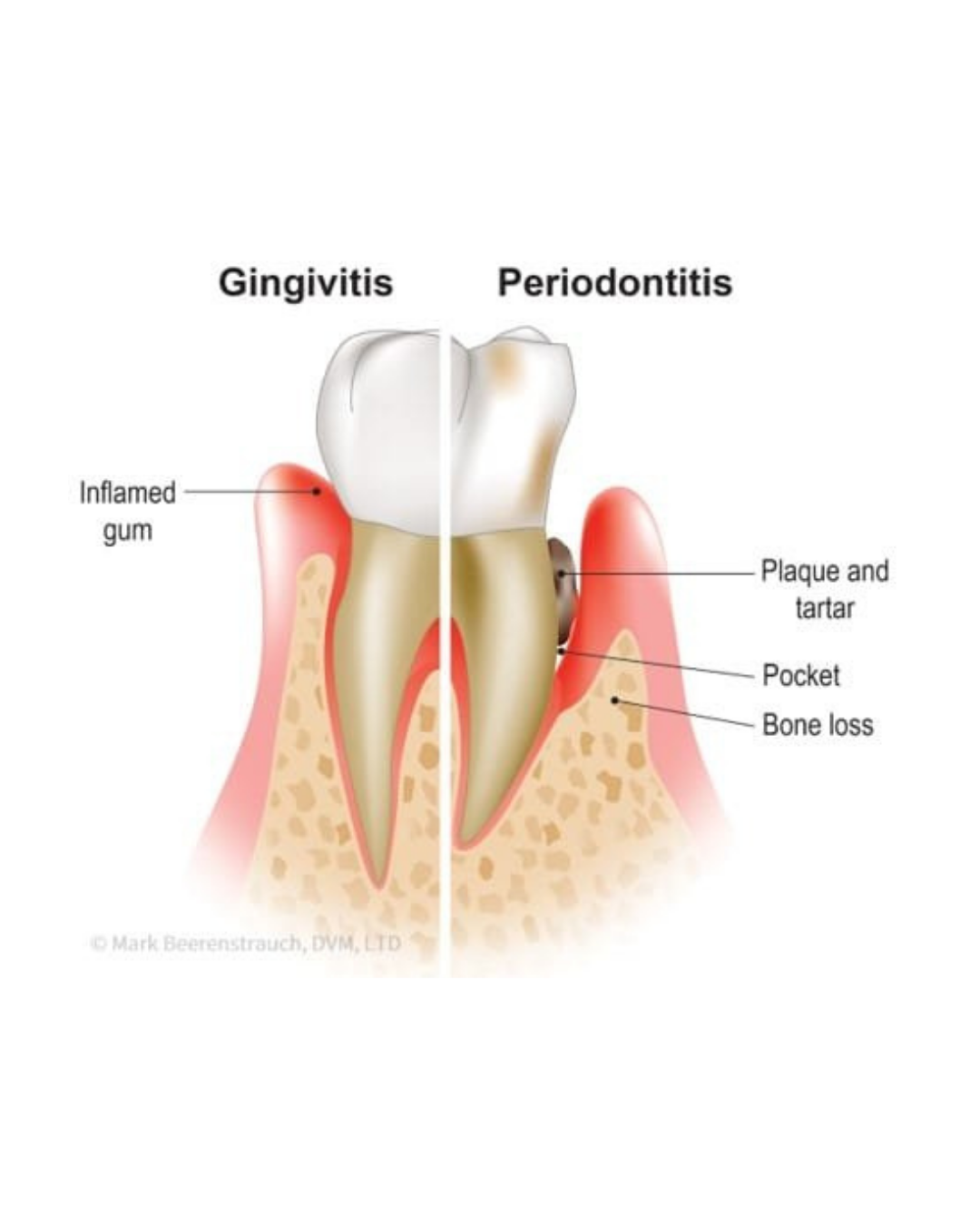
Many dogs with dental disease are living with ongoing discomfort. Inflamed gums, infections and damaged teeth can make eating and chewing painful.
2. It Can Help Prevent Tooth Loss
When dental disease damages the structures supporting the teeth, those teeth can become loose and eventually fall out.
3. It Reduces Bad Breath
While "dog breath" is often considered normal, strong smelling breath is frequently a sign that bacteria and plaque are building up in the mouth.
4. It Supports Overall Health
This is the part many people don't realise.
The bacteria associated with dental disease don't always stay in the mouth. They can enter the bloodstream and potentially affect major organs, including the heart, liver and kidneys.
5. It Can Save Your Dog From Costly Dental Treatment
Prevention is always better than cure. A few minutes spent brushing each day is far easier, and often far less expensive, than dealing with advanced dental disease later on.
What About Raw Feeding And Natural Chews?
I am a strong advocate for feeding a natural diet and providing appropriate natural chews.
Raw feeding, recreational bones (when suitable and safely supervised) and natural treats can all help support dental health by encouraging natural chewing behaviours and helping to reduce plaque build up.
However, they are not a replacement for brushing.
This is one of the biggest misconceptions in the dog world. Even raw fed dogs can develop plaque, tartar and dental disease. Whilst diet plays an important role, daily brushing remains the gold standard for maintaining good oral hygiene.
Why I Talk About Teeth In Puppy Classes
The best time to start brushing your dog's teeth is when they are a puppy.
Teaching puppies to be comfortable with having their mouth, lips and teeth handled makes routine care much easier throughout their lives.
This is why handling exercises form part of my puppy classes. It's not just about teaching sits and recalls; it's about preparing puppies for everyday care, including grooming, veterinary examinations, nail trimming and tooth brushing.
The more positive experiences a puppy has with handling, the easier these tasks become as they grow.
Making Dental Care Part Of Daily Life
I brush my dogs teeth every day because I know how important good dental care is for their long term health.
It only takes a few minutes, but those few minutes can help prevent discomfort, costly veterinary treatment and more serious health issues later in life.
Whether your dog is a puppy or an adult, it's never too late to start. Begin slowly, make it positive and build it into your daily routine.
A healthy mouth contributes to a healthier, happier dog, and that's something every owner should strive fo
What I Use
I often get asked what I use for my own dogs dental care.
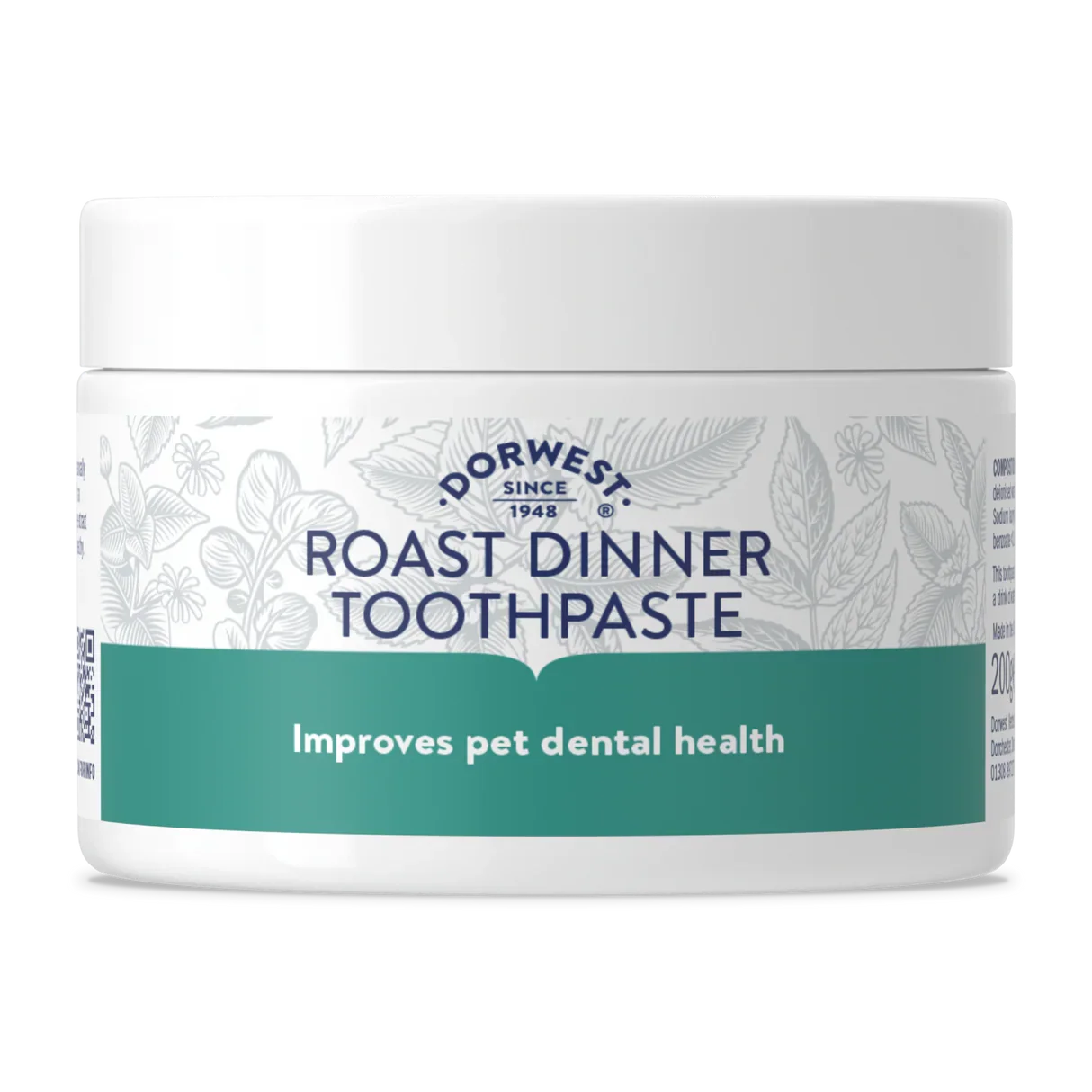
For toothpaste, I use Dorwest's Roast Dinner Toothpaste. The flavour makes brushing more enjoyable for my dog and helps turn it into a positive daily Routine rather than a chore.
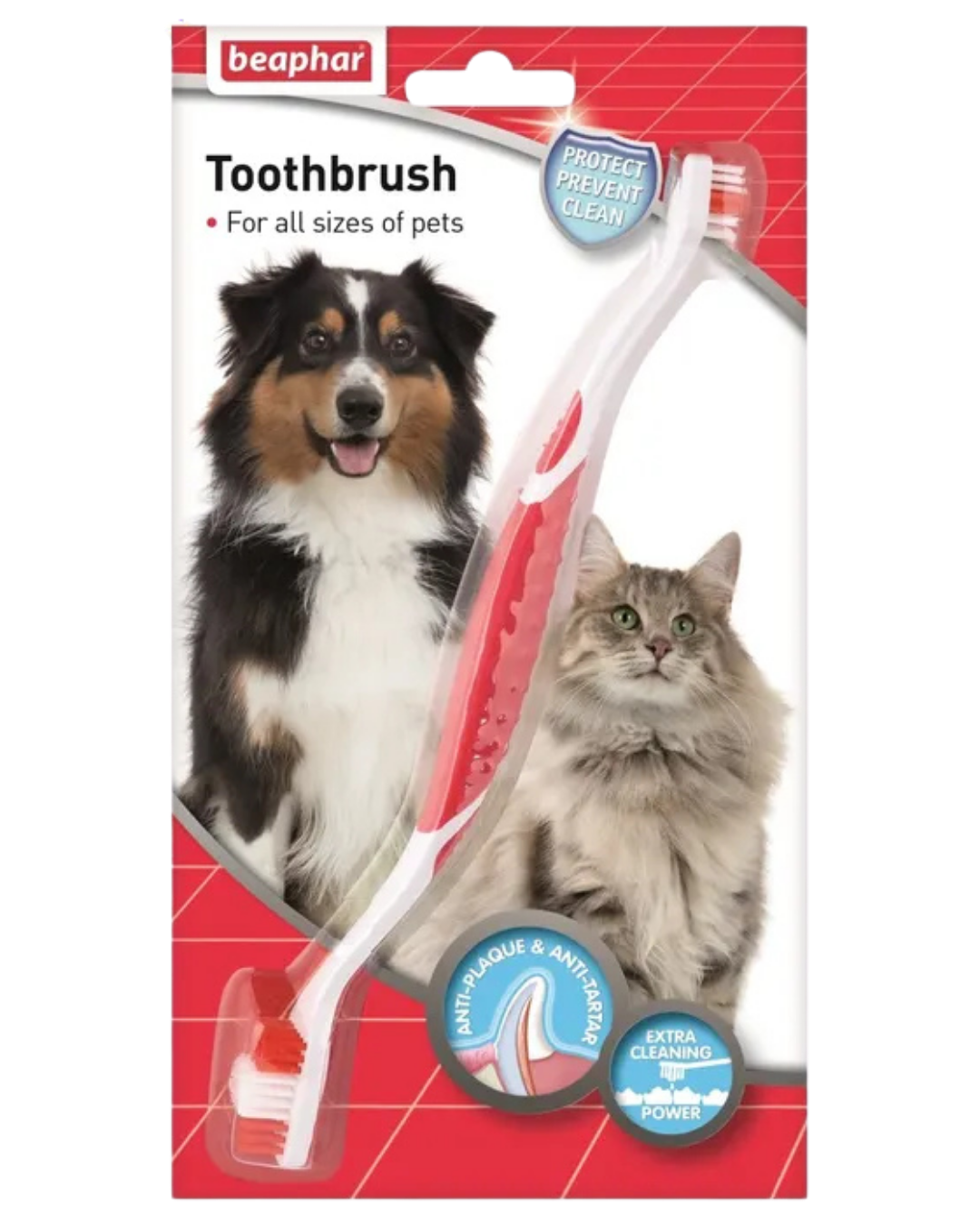
For toothbrush I always recommend using a toothbrush designed specifically for dogs. Dog toothbrushes have softer bristles and are designed to reach those awkward back teeth more comfortably. Finger brushes can also be useful for smaller dogs, puppies, or dogs that are new to having their teeth brushed.
It's important to use a dog specific toothpaste, as human toothpaste isn't suitable for dogs and can contain ingredients that shouldn't be swallowed.
Alongside daily brushing, I also give my dogs a daily dental supplement called Plaque Off. Dental supplements can help support oral health and reduce plaque build up, but just like raw feeding, natural chews and bones, they should be seen as an addition to brushing rather than a replacement for it.
My dental routine includes:
Daily tooth brushing
A natural raw diet
Appropriate natural chews
Daily Plaque Off supplement
Together, these help support good oral health, but if I had to choose just one, brushing would still be my number one recommendation.
Remember, prevention is always easier, kinder and often much cheaper than treating dental disease once it has developed.